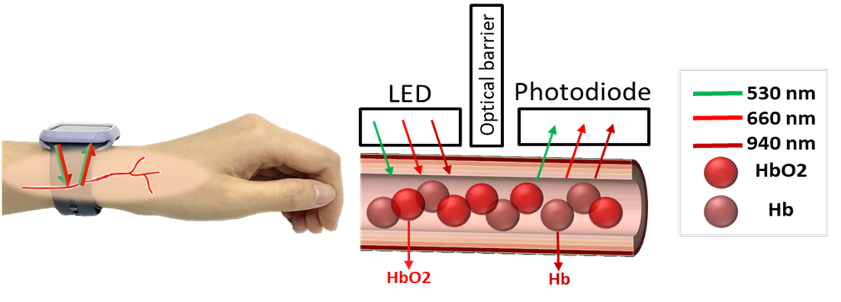
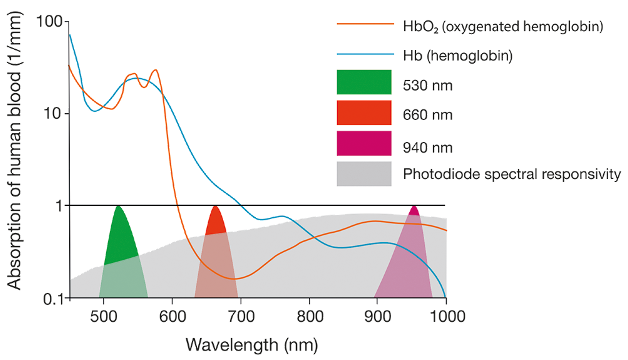
The Miniature Optical Sensors in Smart Watches: From Biometric Monitoring to Motion Intelligence



SEARCH

MENU
-
Products
- Application Type Videos & Brochures Design
-
Automotive
Consumer Electronics
Occupancy Monitor System

Occupancy Monitor System
High Power IR LED 3838 (130° / 150°)
This automotive-grade high power IR LED is specifically designed for D...
Power Asymmetric LED 3838 150°x90°
The Power Asymmetric LED 3838 150°x90° IR LED features a beam angle of...
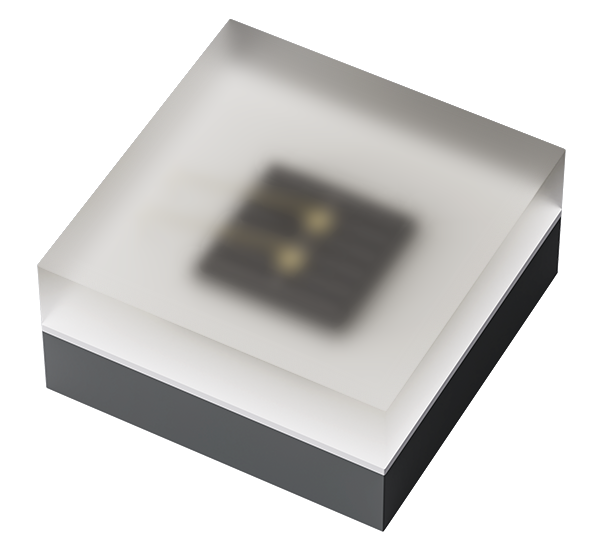
Power Flat LED 1616 130°
The Power Flat LED 1616 130° IR LED features a beam angle of 130° and ...
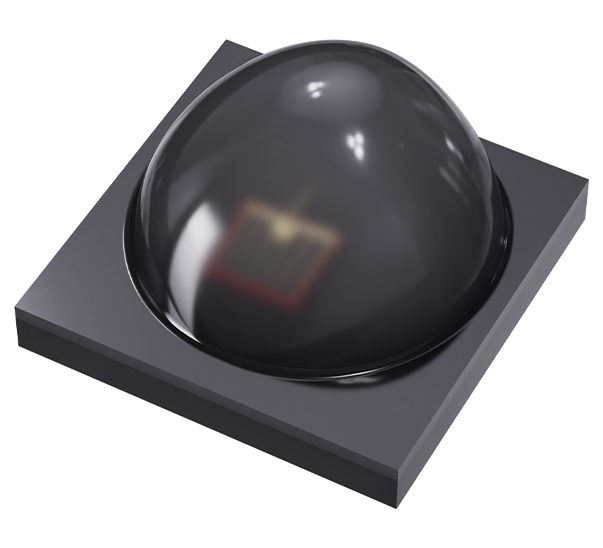
Power Off-Axis LED 3838 135°x35°
The Power Off-Axis LED 3838 135°x35° IR LED features a beam angle of 1...

Power Asymmetric LED 1616 110° x 130°
This miniature automotive IR LED features an asymmetric beam angle of ...
Driver Monitor System

Driver Monitor System
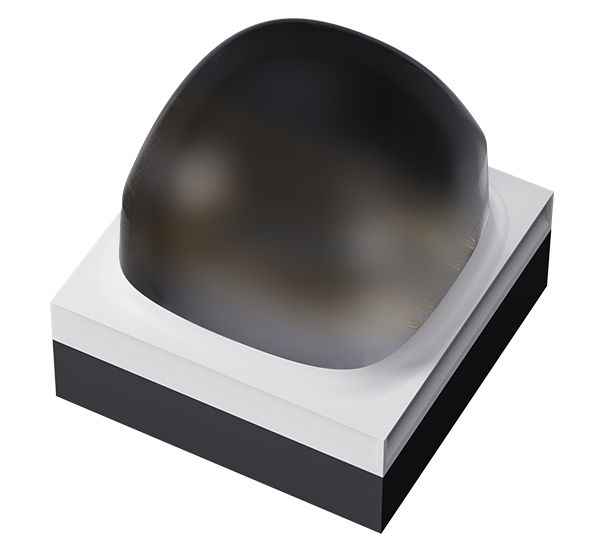
Power Dome LED 1616 80°
AEC Q102 Qualified series, engineered with low thermal resistance and ...
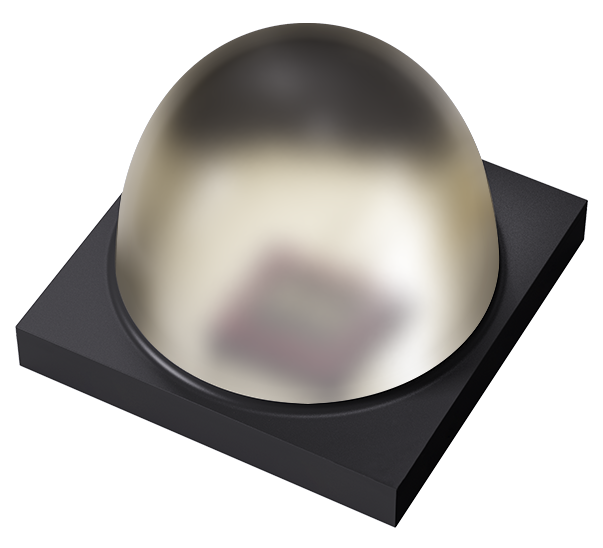
Power Dome LED 3838 40°/50°
Rated Class 3B for corrosion robustness, perfectly suited for Driver ...
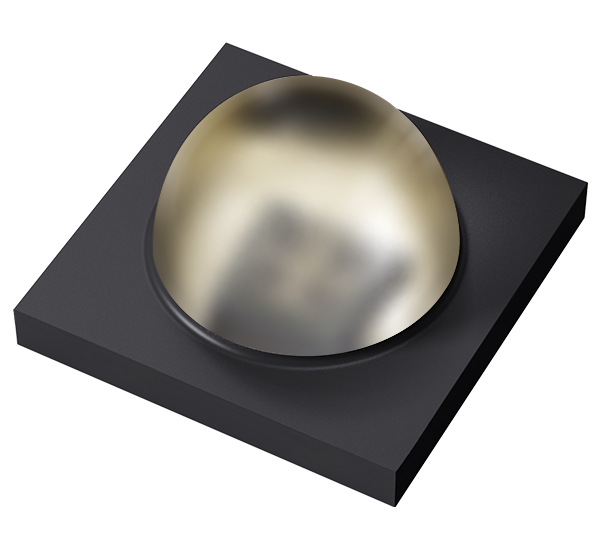
Power Dome LED 3838 80°/90°
Perfectly tailored for Driver Monitor Systems and security application...
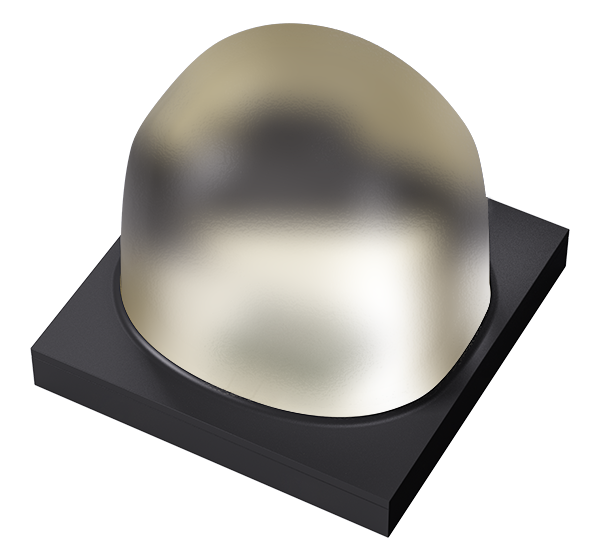
Power Asymmetric LED 3838 45°x 25°
The Power Asymmetric LED 3838 45°x25° IR LED features a beam angle of ...
Power Off-Axis LED 3838 135°x35°
The Power Off-Axis LED 3838 135°x35° IR LED features a beam angle of 1...
Power Asymmetric LED 1616 110° x 130°
This miniature automotive IR LED features an asymmetric beam angle of ...
Ambient Lighting
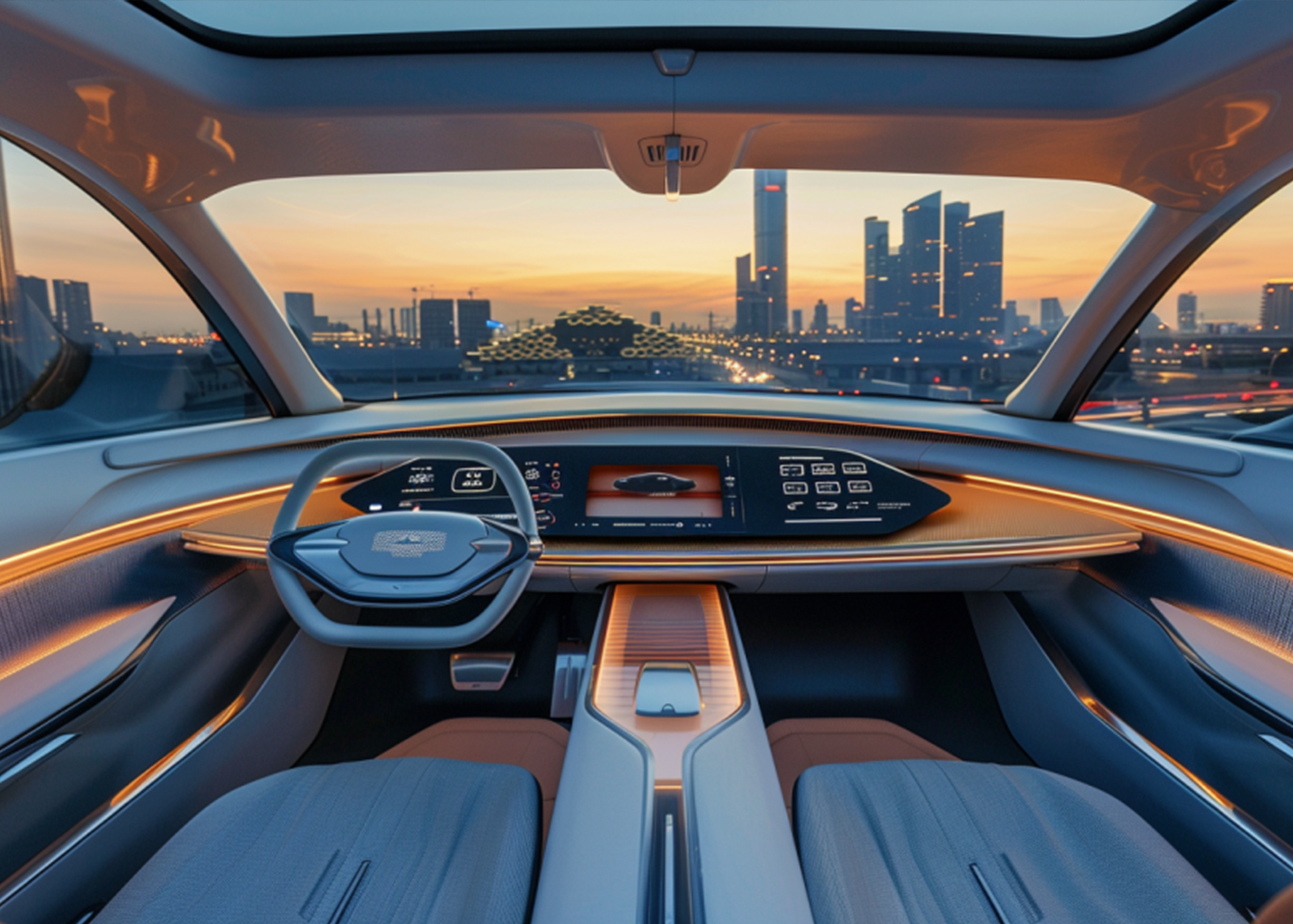
Ambient Lighting
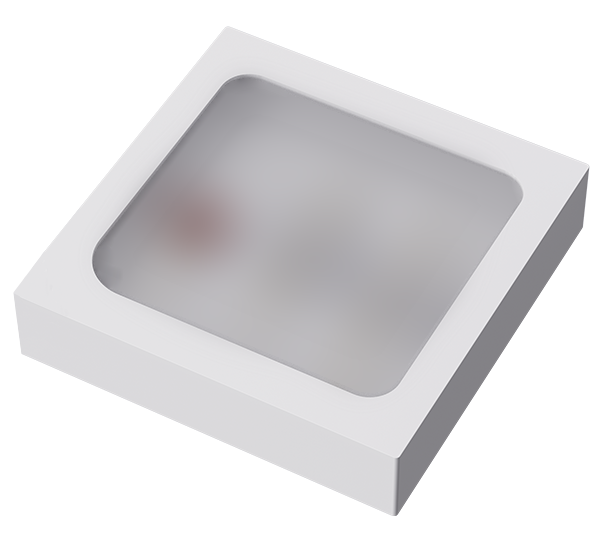
TOP LED 3030 RGB
Elevate your ambiance with our mid-power RGB LED, seamlessly coupling ...
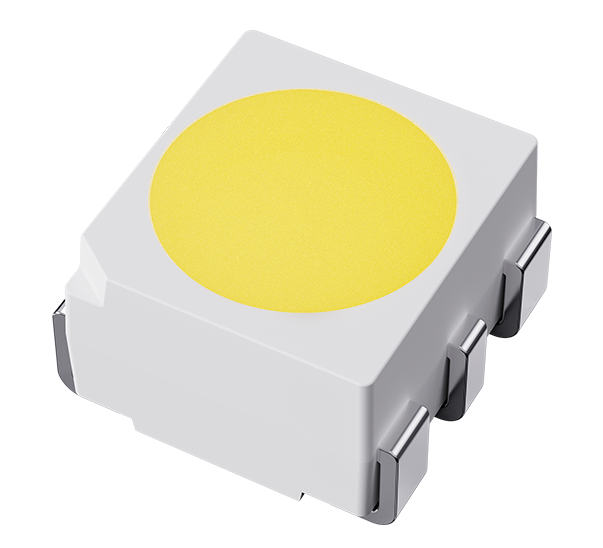
TOP LED 3433
PLCC chips in red and amber, offering high color purity for functional...
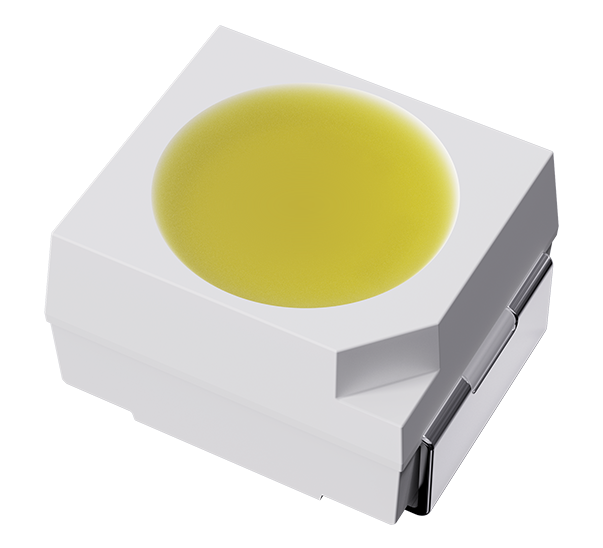
TOP LED 3528
Conventional PLCC2 product series covering various color selections an...
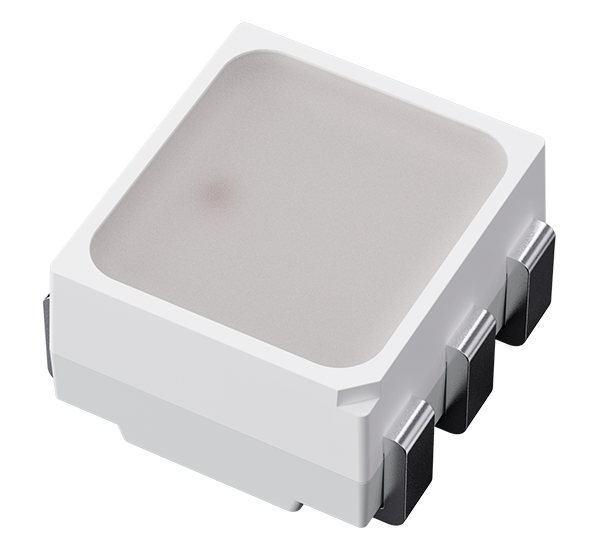
TOP LED 3433 RGB
0.2W PLCC6 RGB series, ideal for creating a variety of colors in ambie...

ICLED EVO 3838
A Revolutionary series of ICLED, redefining ambient lighting, featurin...
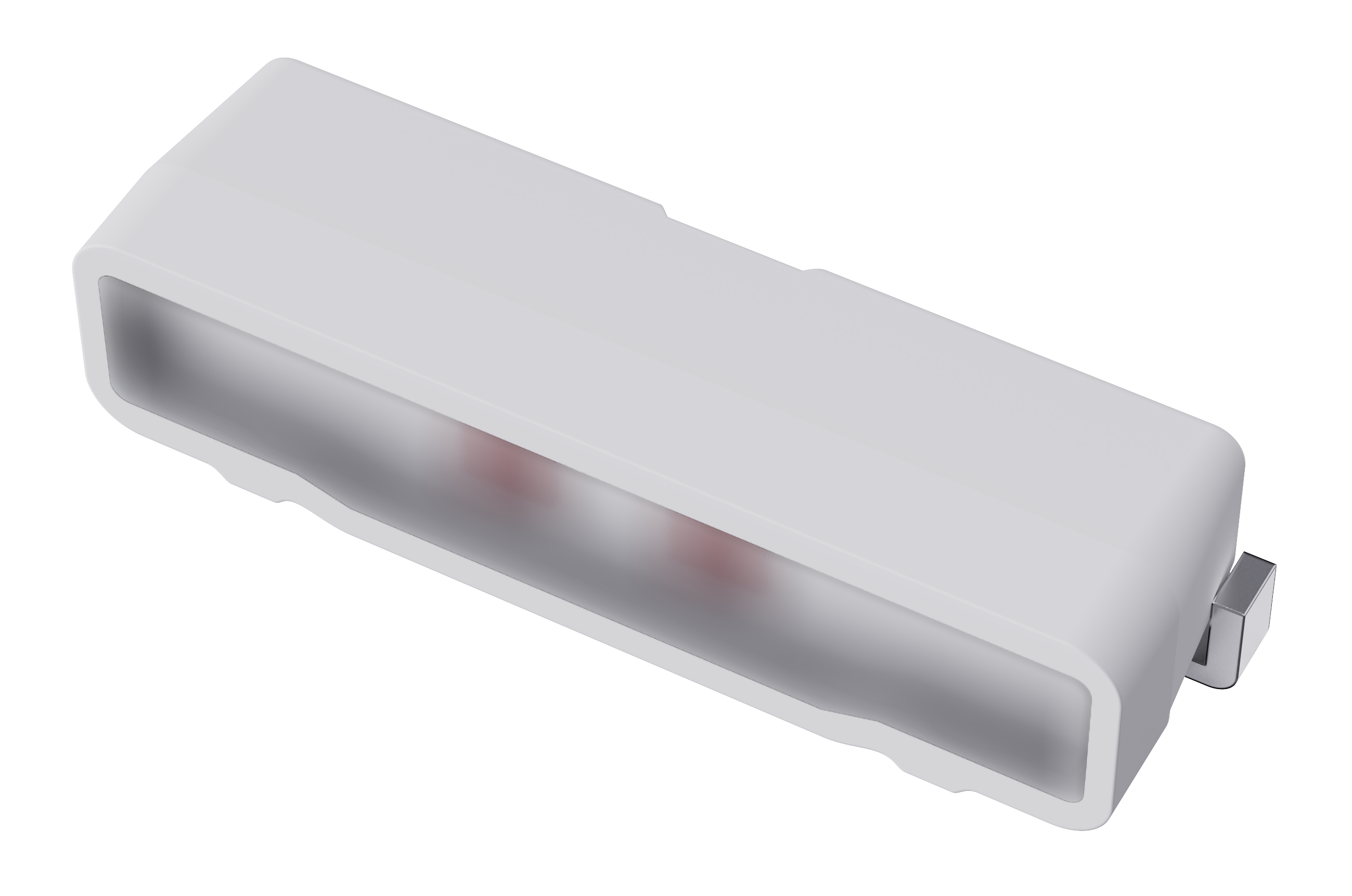
SIDE LED 5514
Designed for automotive exterior applications, Side View LED 5514 feat...
Interior Lighting
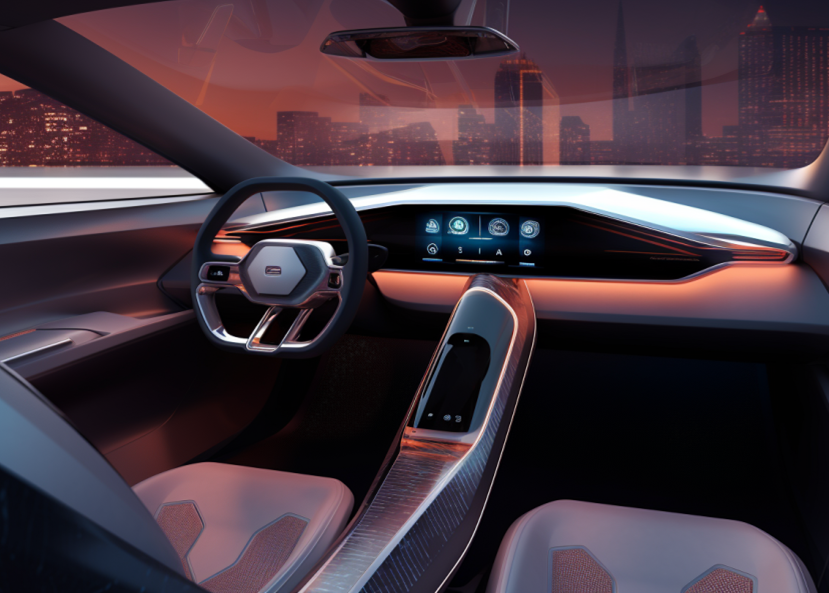
Interior Lighting
TOP LED 3030 RGB
Elevate your ambiance with our mid-power RGB LED, seamlessly coupling ...
TOP LED 3528
Conventional PLCC2 product series covering various color selections an...
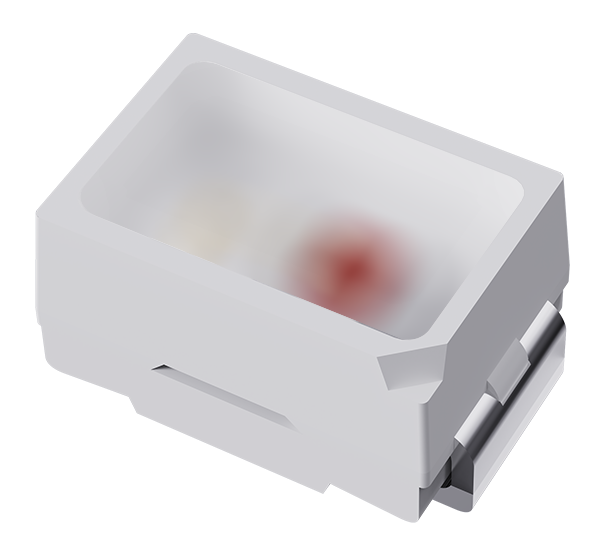
TOP LED 2214
Conventional PLCC2 product series, featuring a range of colors and ada...
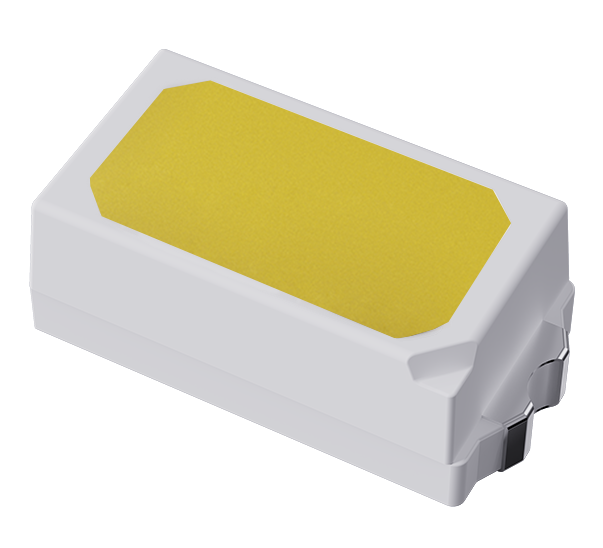
TOP LED 1608
Conventional PLCC2 product series, ideal for exterior applications.
ICLED EVO 3838
A Revolutionary series of ICLED, redefining ambient lighting, featurin...
SIDE LED 5514
Designed for automotive exterior applications, Side View LED 5514 feat...
Exterior Lighting

Exterior Lighting
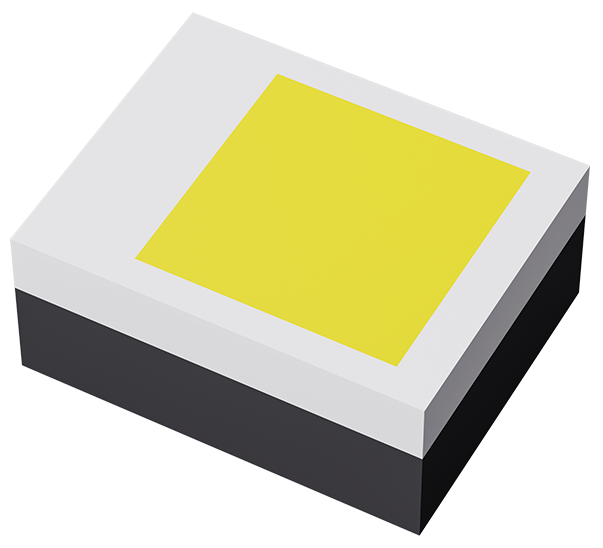
Power TOP LED 1519
Compact package with chip scale optical window for easily introducing ...
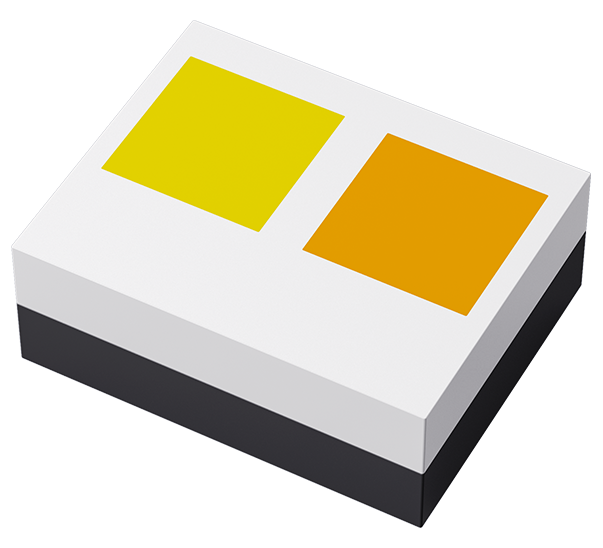
TOP LED 1519 Dual
Compact dual color package with chip scale optical window which is ben...
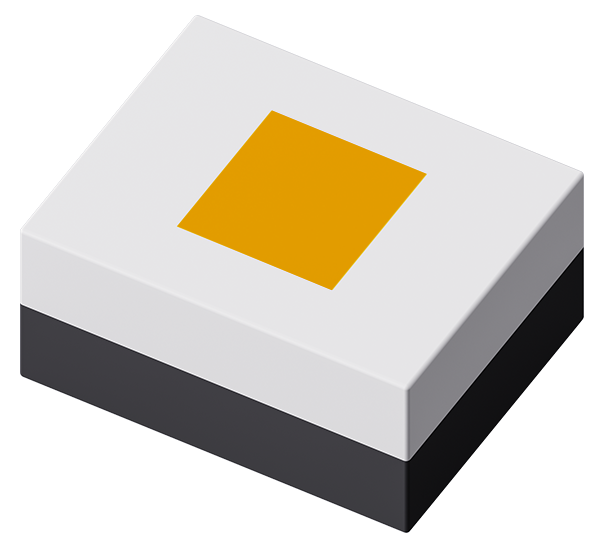
TOP LED 1519
Robust ceramic 0.5-1W LED, Ideal for design of daytime running and tur...
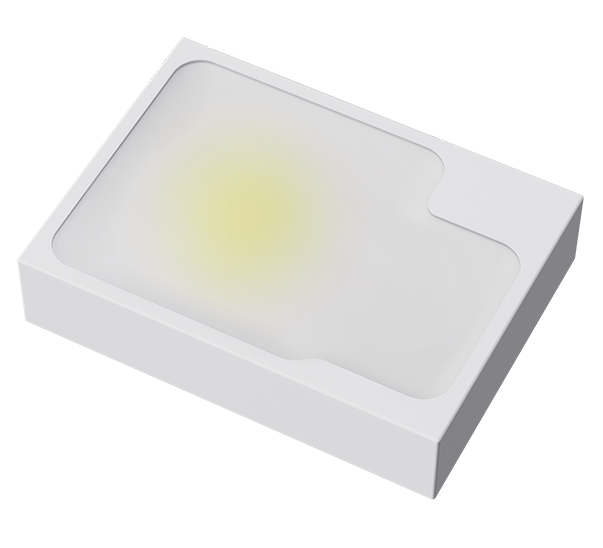
TOP LED 2720
Compact EMC products for rear lighting, offering a balanced selection ...
TOP LED 3433
PLCC chips in red and amber, offering high color purity for functional...
TOP LED 3433 RGB
0.2W PLCC6 RGB series, ideal for creating a variety of colors in ambie...
Gaming

Gaming
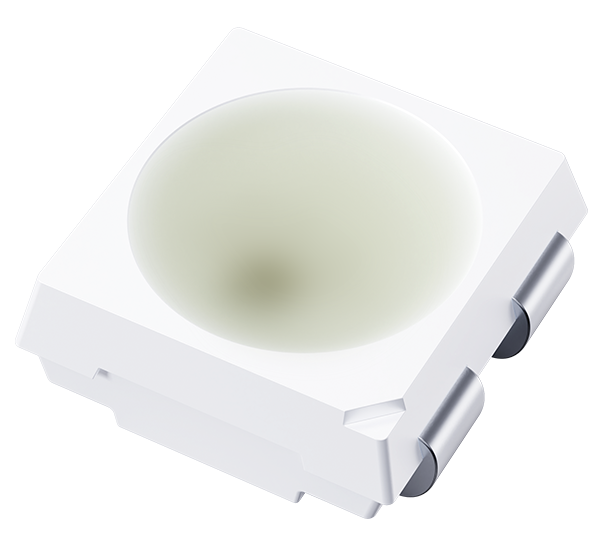
TOP ICLED 3535
Streamlining electrical circuit design for versatile color creation. W...
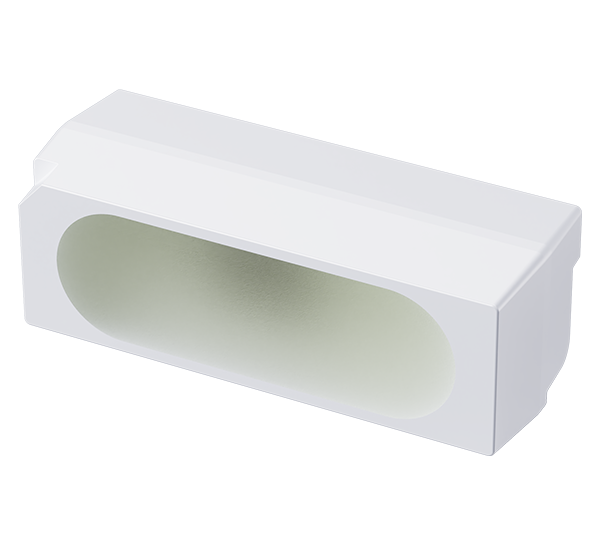
SIDE ICLED 4516
Side-view RGB ICLED, ideal for ambient light applications with an opti...
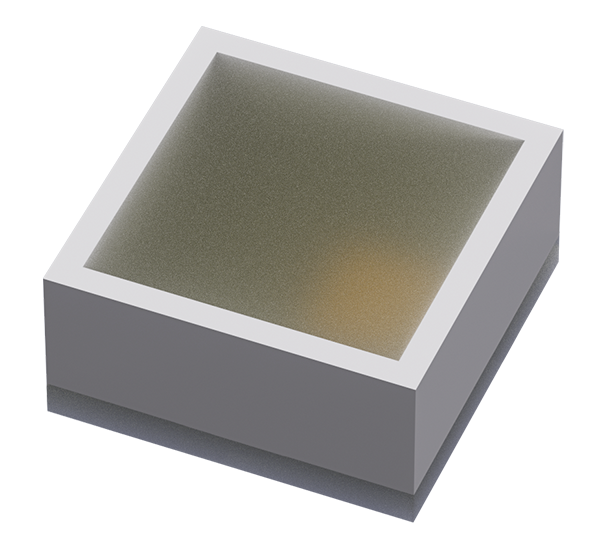
TOP ICLED 2020
Compact RGB ICLED for consumer, automotive, and display applications.
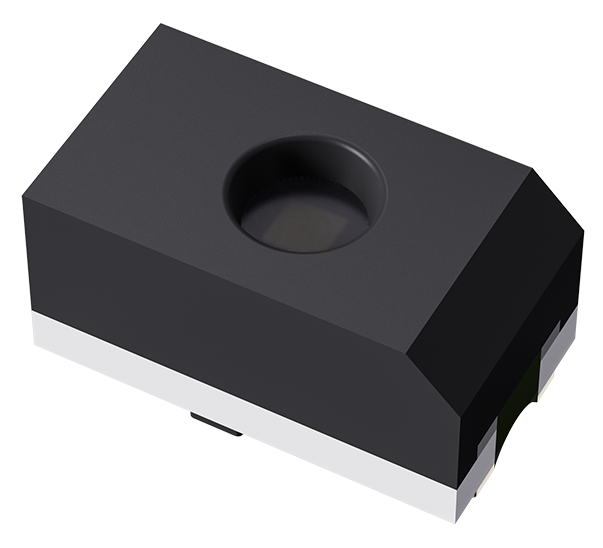
mini LED 0603
Enhance keyboard indicators with our high-brightness point emitter ser...
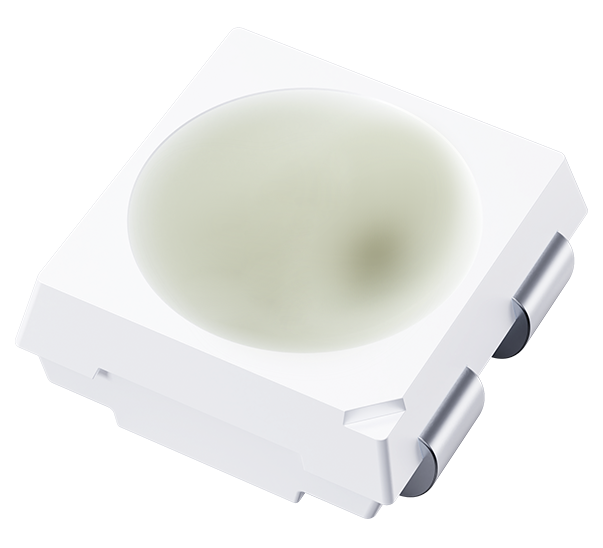
ICLED 5050
Experience brilliance with our high-brightness, large optical window I...
TOP LED 2214
Conventional PLCC2 product series, featuring a range of colors and ada...
Security
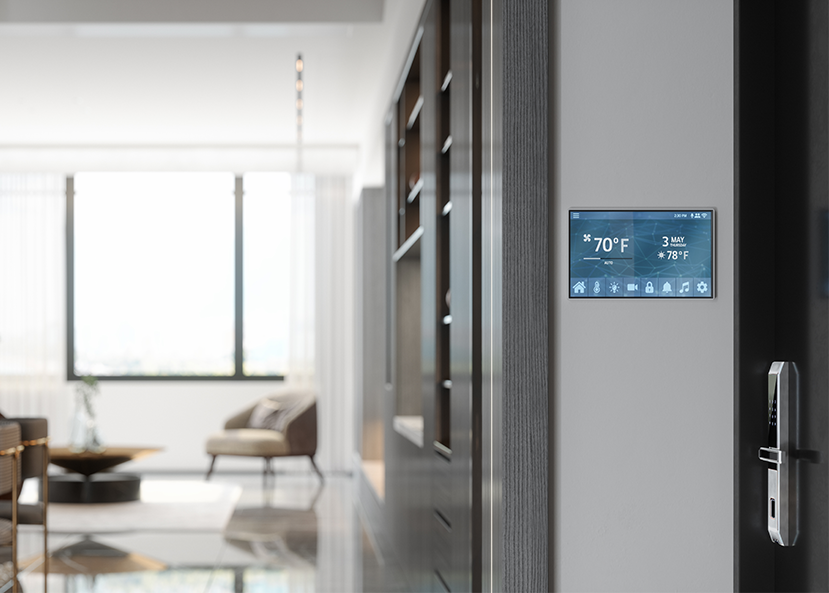
Security
Power Dome LED 1616 80°
AEC Q102 Qualified series, engineered with low thermal resistance and ...
Power Dome LED 3838 40°/50°
Rated Class 3B for corrosion robustness, perfectly suited for Driver ...
Power Dome LED 3838 80°/90°
Perfectly tailored for Driver Monitor Systems and security application...
High Power IR LED 3838 (130° / 150°)
This automotive-grade high power IR LED is specifically designed for D...
Power Asymmetric LED 3838 45°x 25°
The Power Asymmetric LED 3838 45°x25° IR LED features a beam angle of ...
Power Asymmetric LED 3838 150°x90°
The Power Asymmetric LED 3838 150°x90° IR LED features a beam angle of...
-
Visible Lighting
Invisible Lighting
Module Solutions
Drivers
LEDs
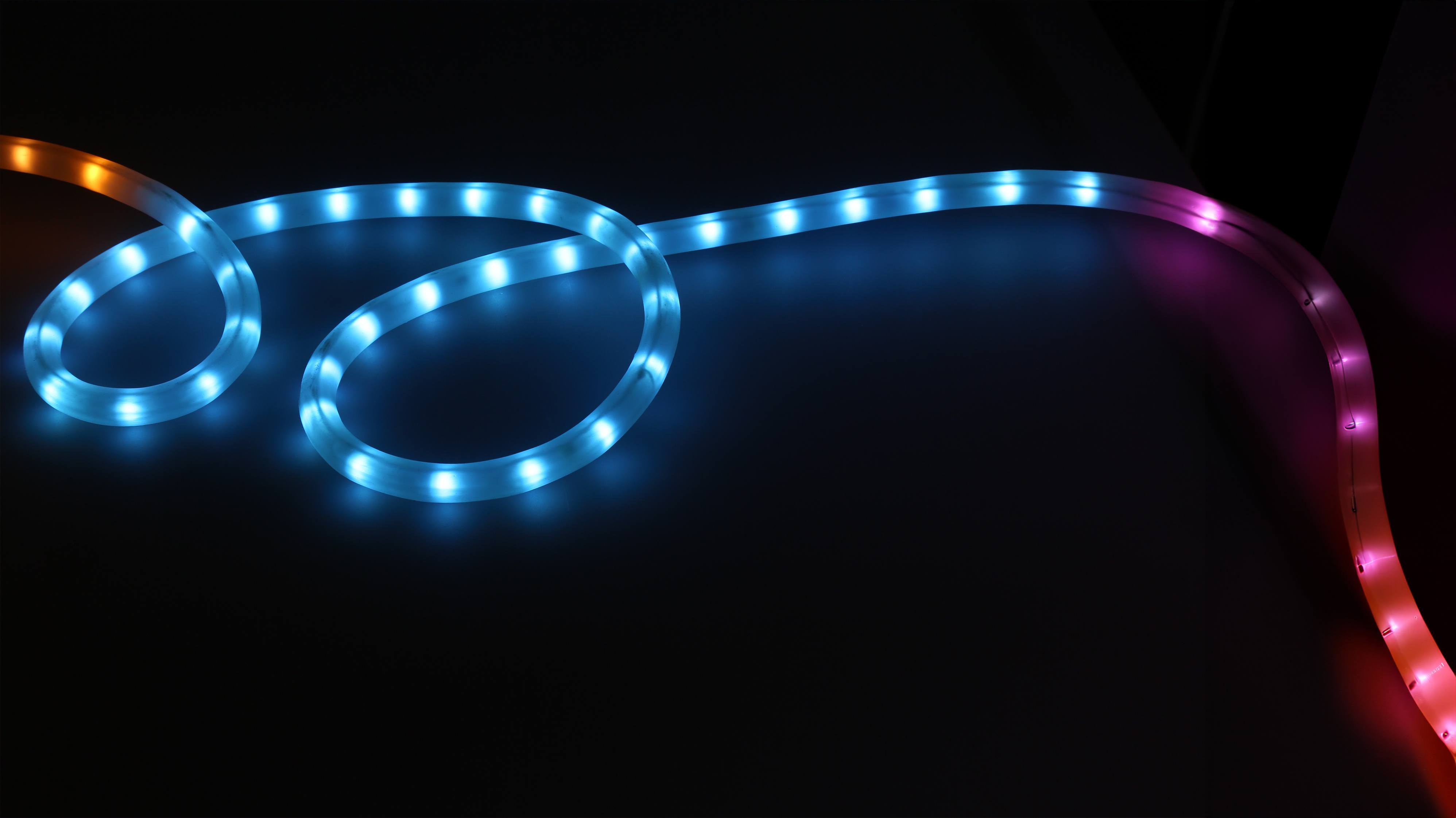
LEDs
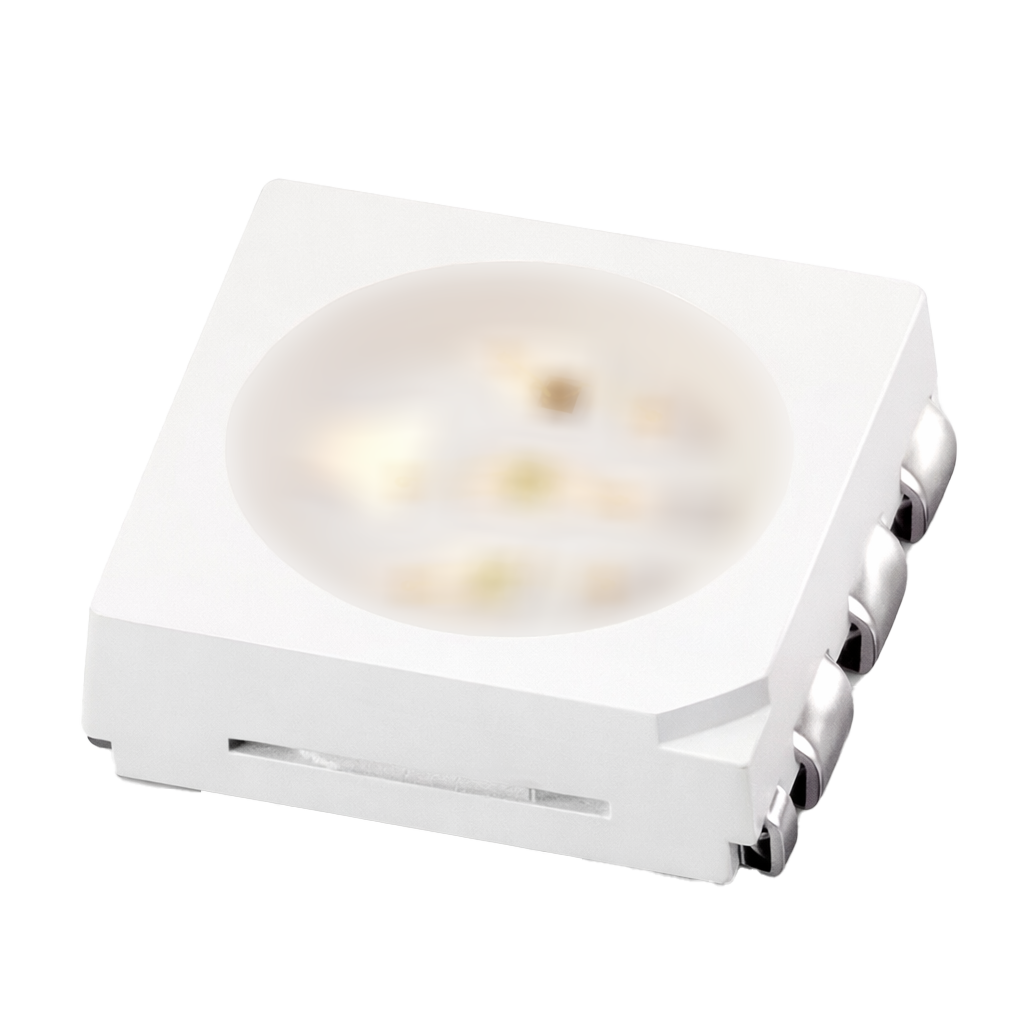
TOP LED 5050
The top-view PLCC LED is designed for efficient heat dissipation and s...
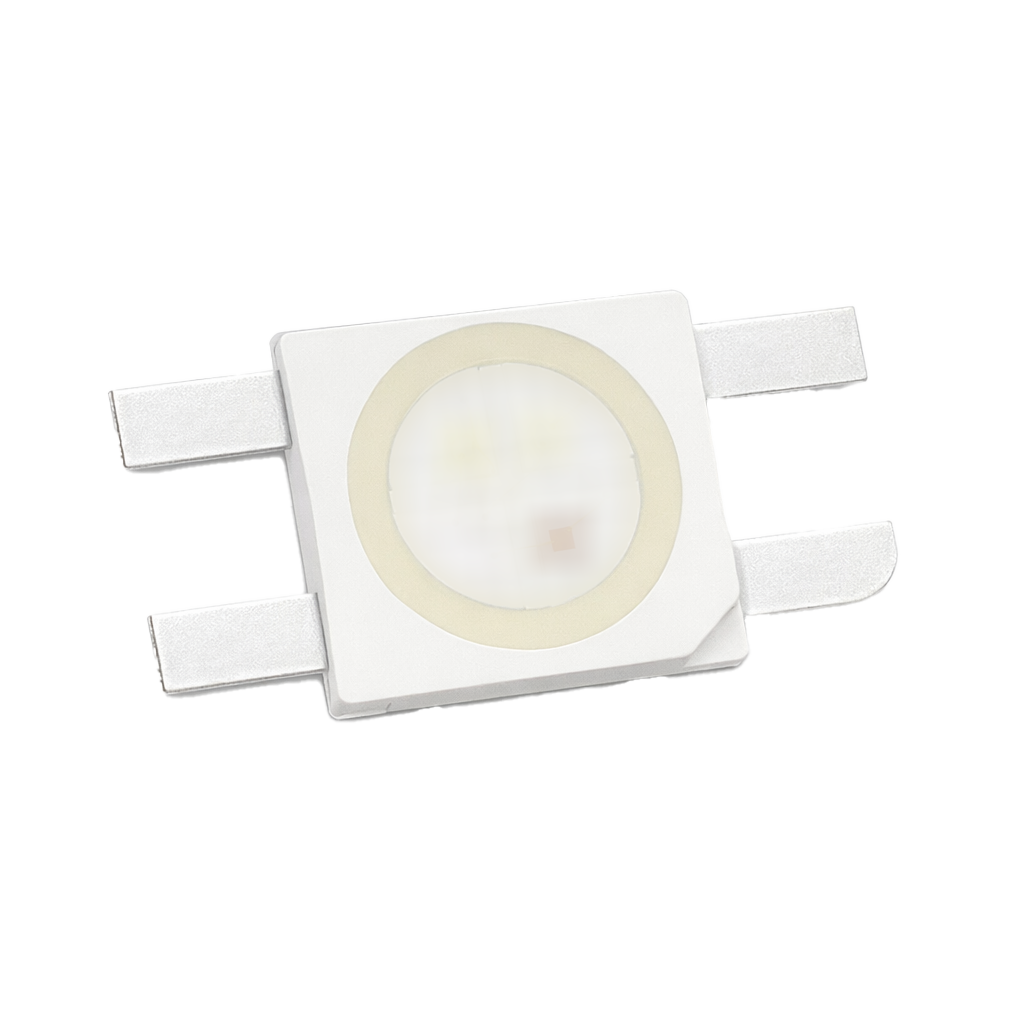
TOP LED 6028
The top-view PLCC LED is designed for efficient heat dissipation and s...
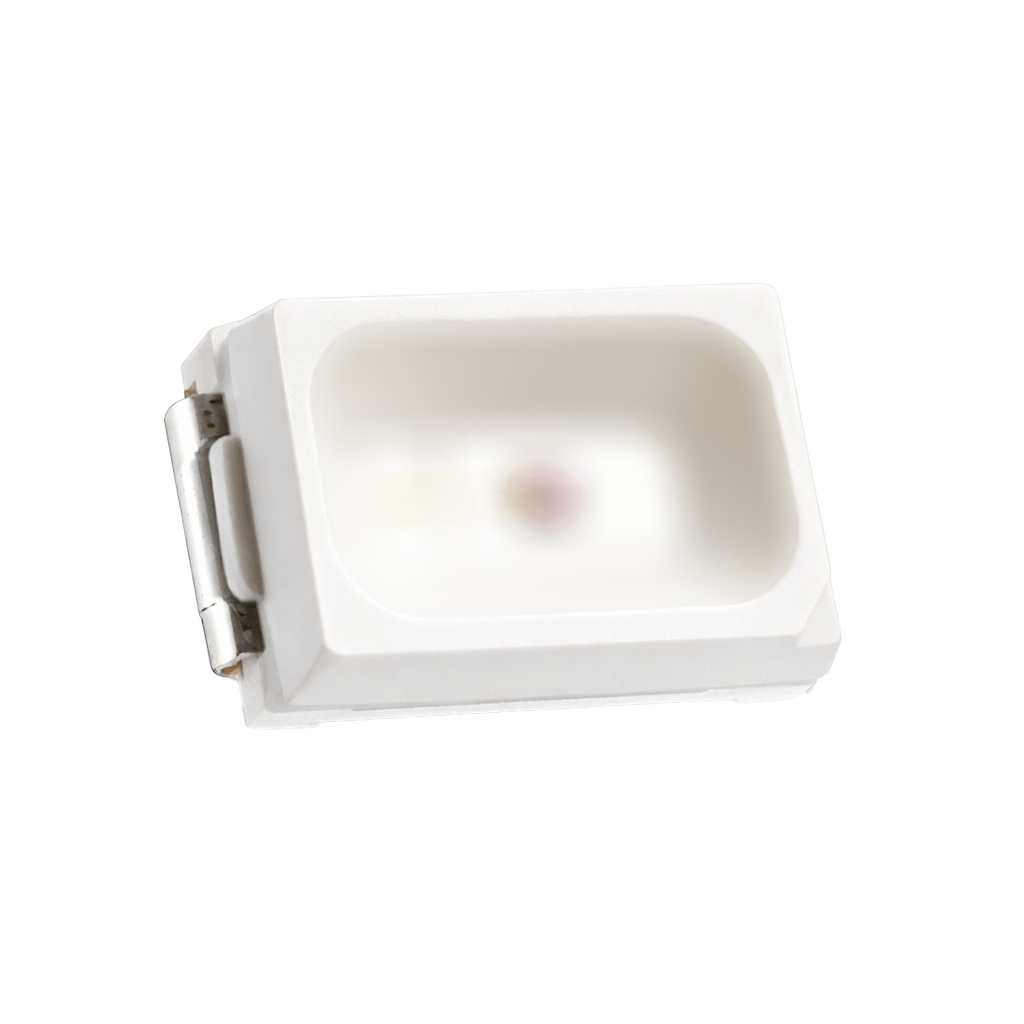
TOP LED 3020
The top-view PLCC LED is designed for efficient heat dissipation and s...
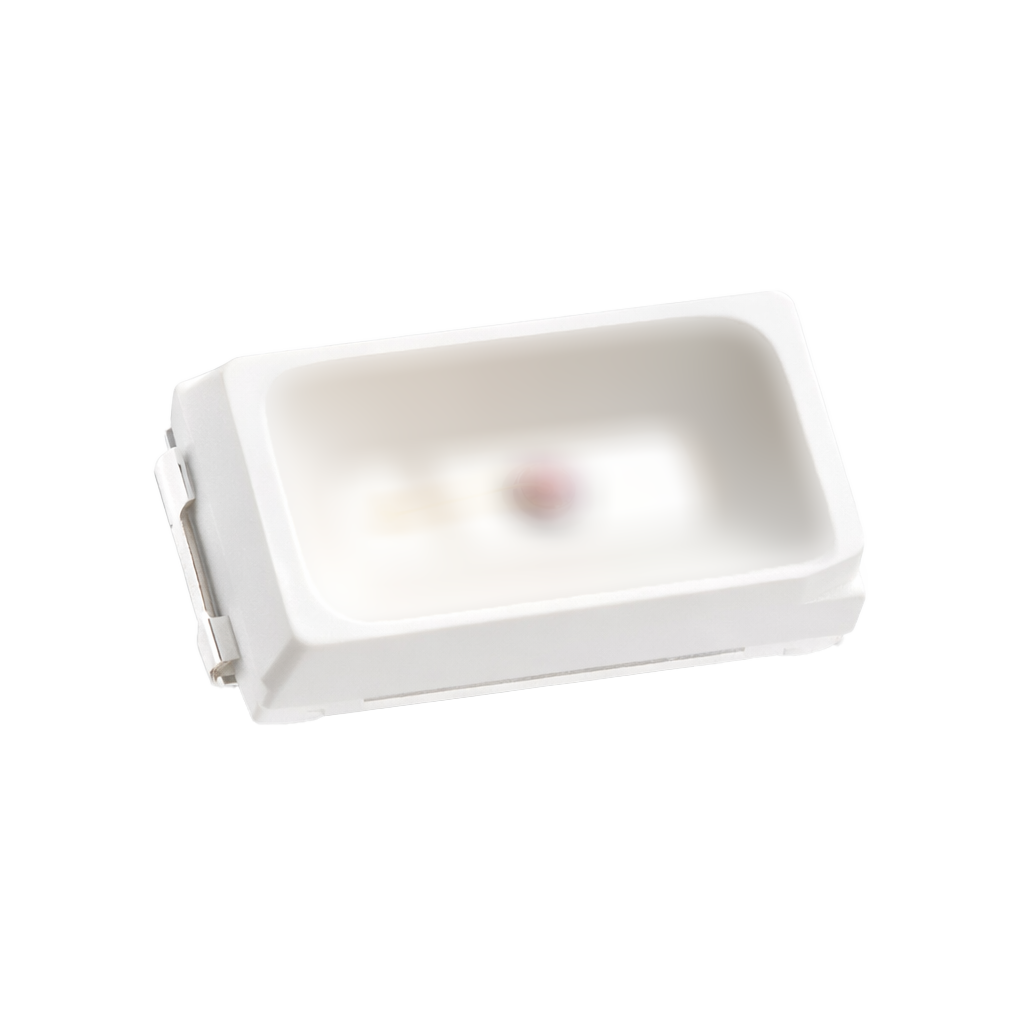
TOP LED 3014
The top-view PLCC LED is designed for efficient heat dissipation and s...
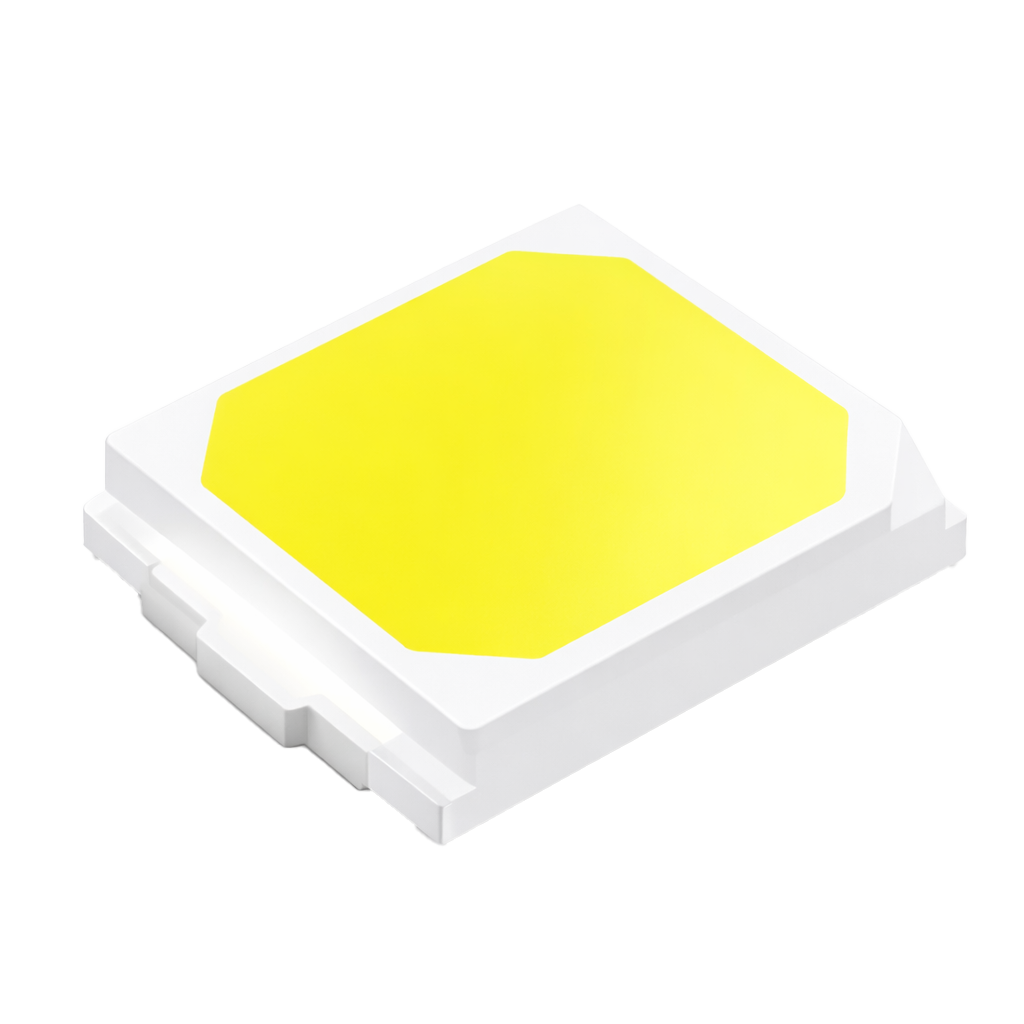
TOP LED 2835
The top-view PLCC LED is designed for efficient heat dissipation and s...
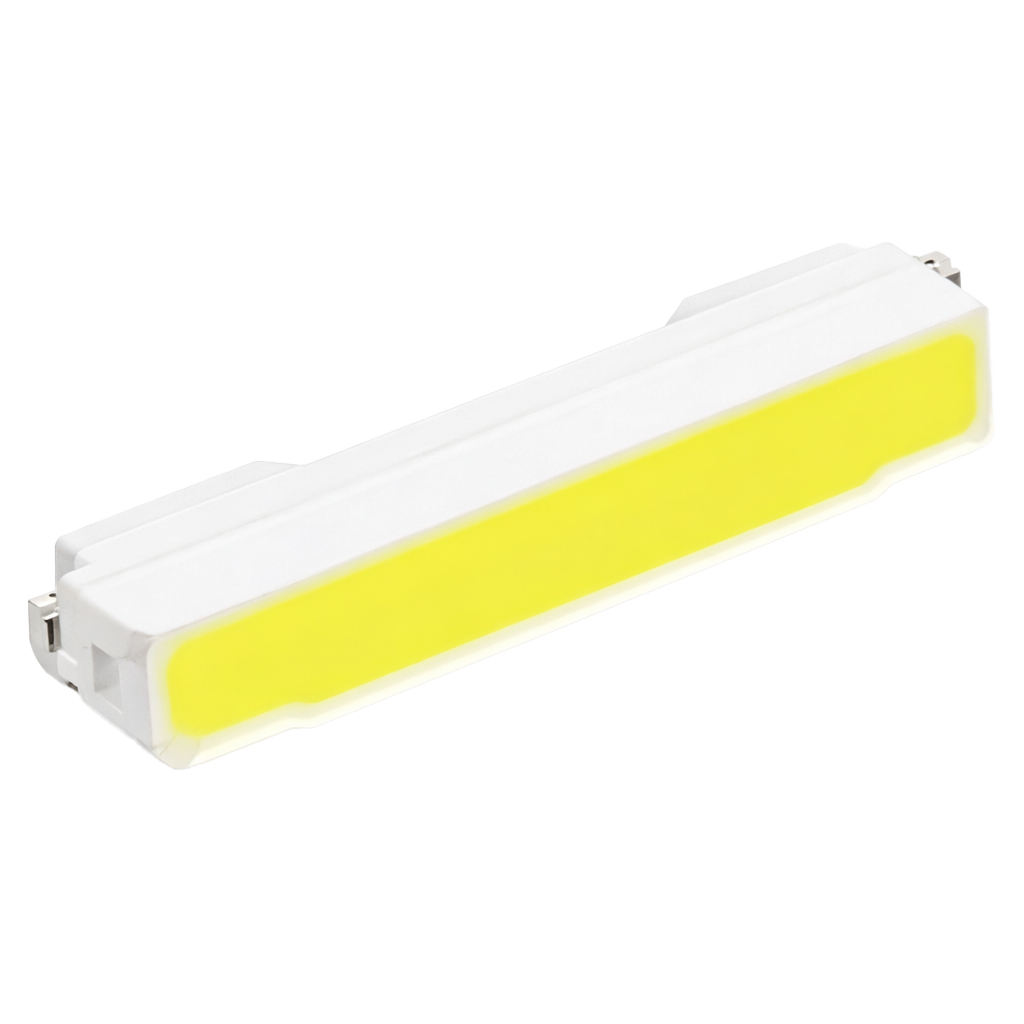
SIDE LED 3806
The side-view PLCC LED features a low-profile structure that emits lig...

ICLEDs
ICLED EVO 3838
A Revolutionary series of ICLED, redefining ambient lighting, featurin...
TOP ICLED 3535
Streamlining electrical circuit design for versatile color creation. W...
ICLED 5050
Experience brilliance with our high-brightness, large optical window I...
TOP ICLED 2020
Compact RGB ICLED for consumer, automotive, and display applications.
SIDE ICLED 4516
Side-view RGB ICLED, ideal for ambient light applications with an opti...
IR LEDs
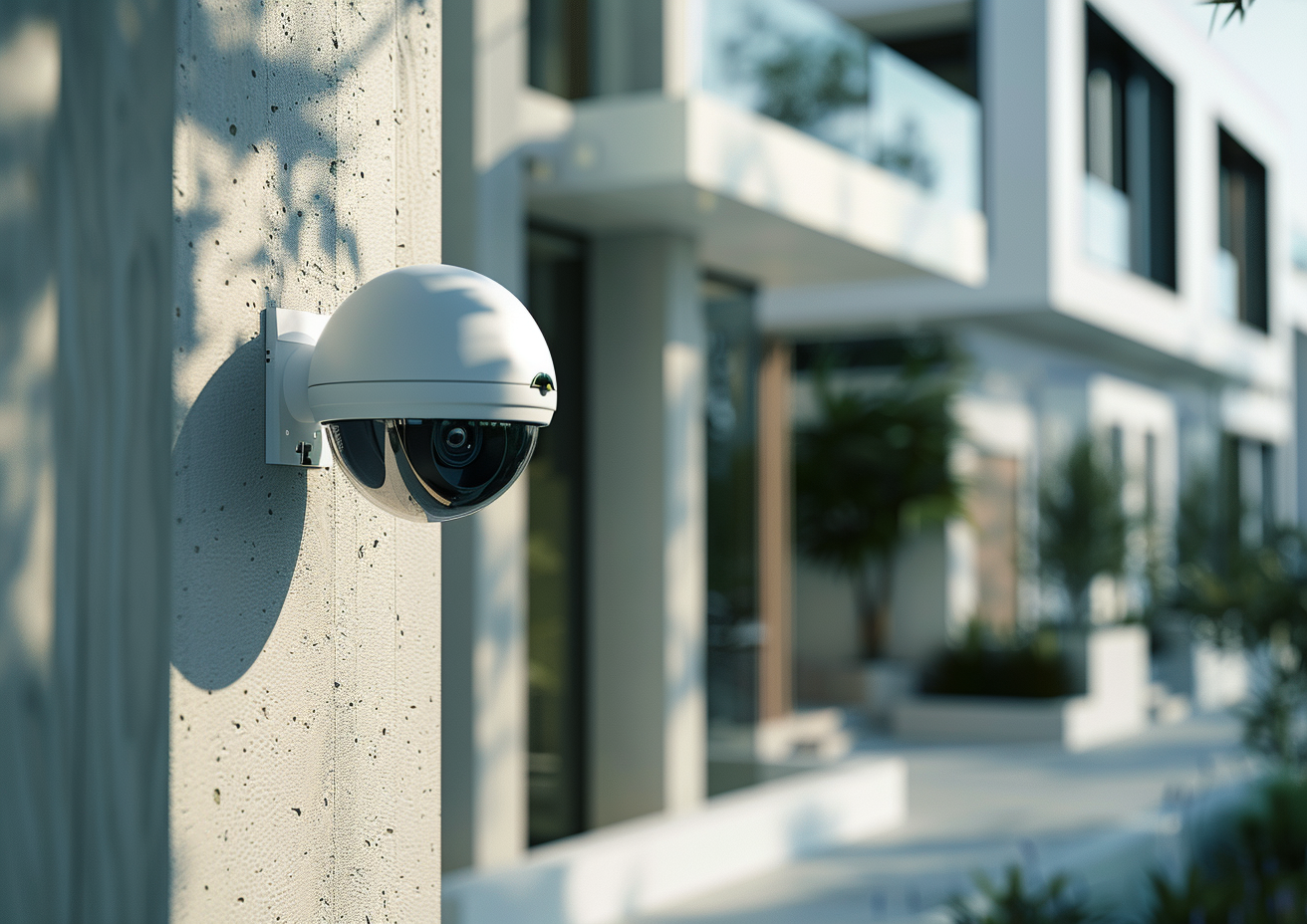
IR LEDs
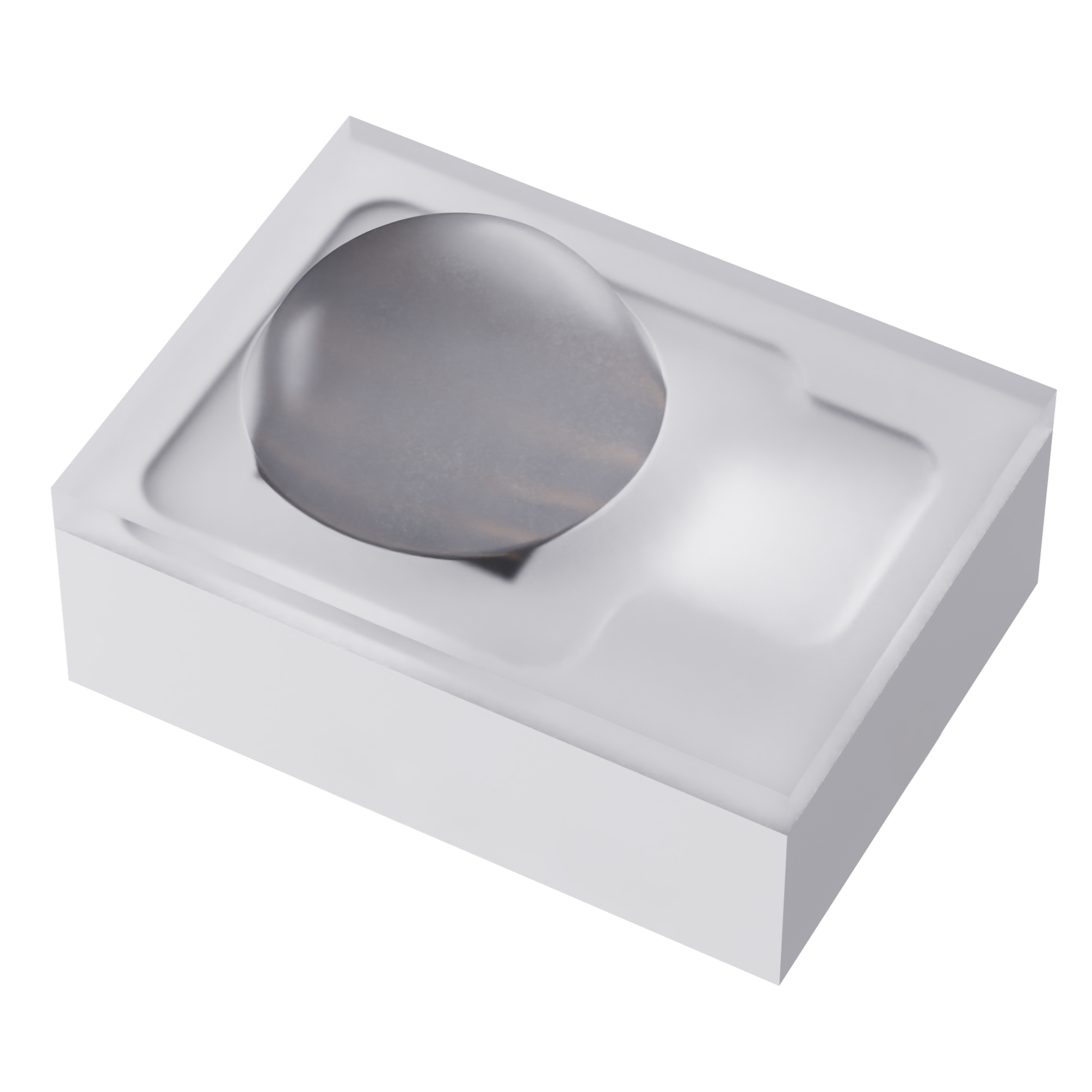
Power Dome LED 2720 80°
Compliant with the latest notebook camera specifications, the Power Do...
Power Asymmetric LED 1616 110° x 130°
This miniature automotive IR LED features an asymmetric beam angle of ...
Power Off-Axis LED 3838 135°x35°
The Power Off-Axis LED 3838 135°x35° IR LED features a beam angle of 1...
Power Flat LED 1616 130°
The Power Flat LED 1616 130° IR LED features a beam angle of 130° and ...
Power Asymmetric LED 3838 150°x90°
The Power Asymmetric LED 3838 150°x90° IR LED features a beam angle of...
Power Asymmetric LED 3838 45°x 25°
The Power Asymmetric LED 3838 45°x25° IR LED features a beam angle of ...
-
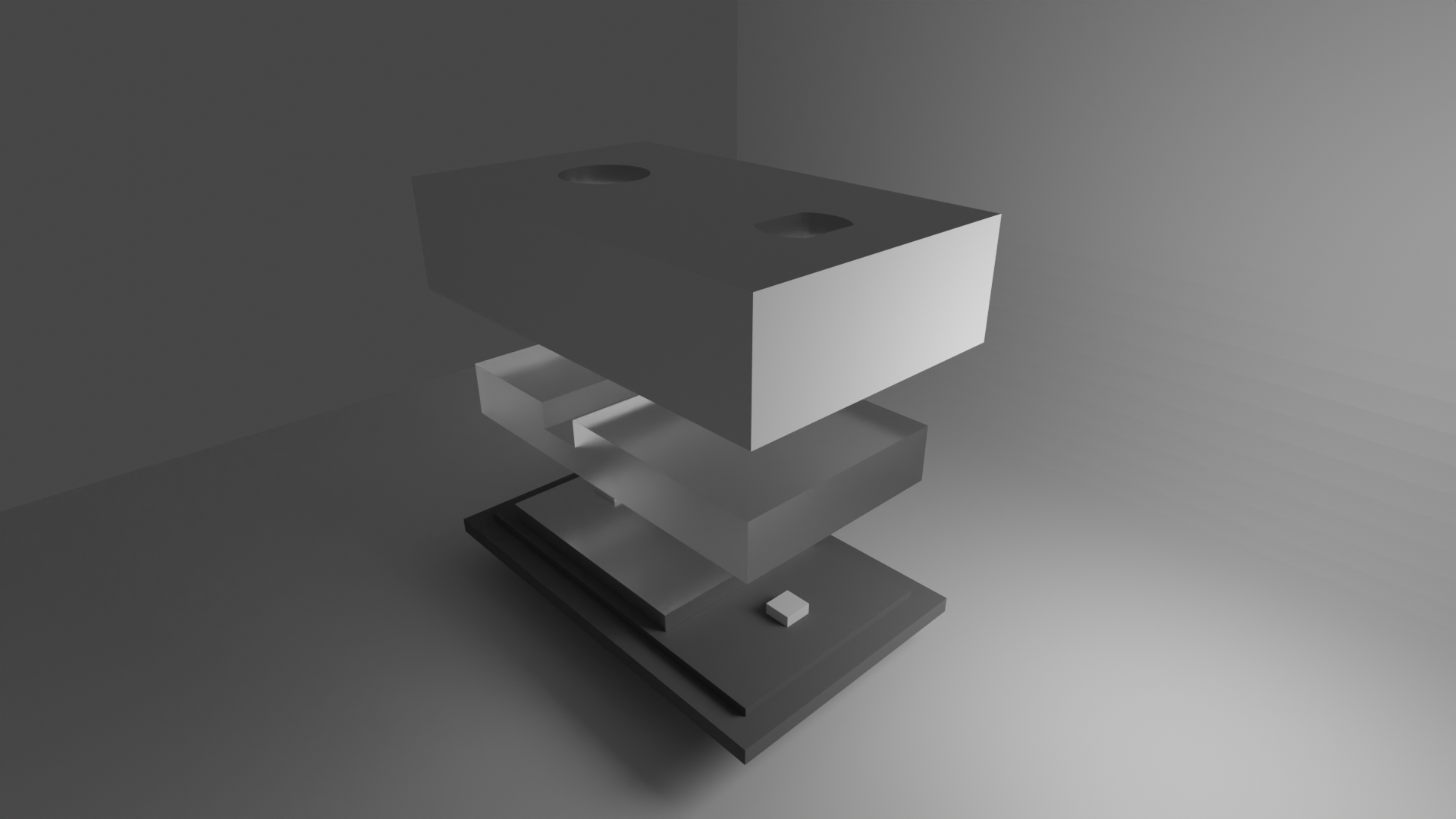
Browse our technical videos and product brochures to explore our latest innovations.
See More -

Integrated LED and optoelectronic solutions for automotive and smart sensing.
Read More
-
News
- Press Release Company Blog Events
-
Latest News
Dec 29 , 2025
Brightek Advances Sustainability with Solar Energy Integration at Jiangsu Manufacturing Base
Brightek , a leading global provider of high-quality LED and sensor packaging and optoelectronic solutions, today announced a significant milestone in its commitment to "Pract...
Read More -
Latest News
Apr 21 , 2026
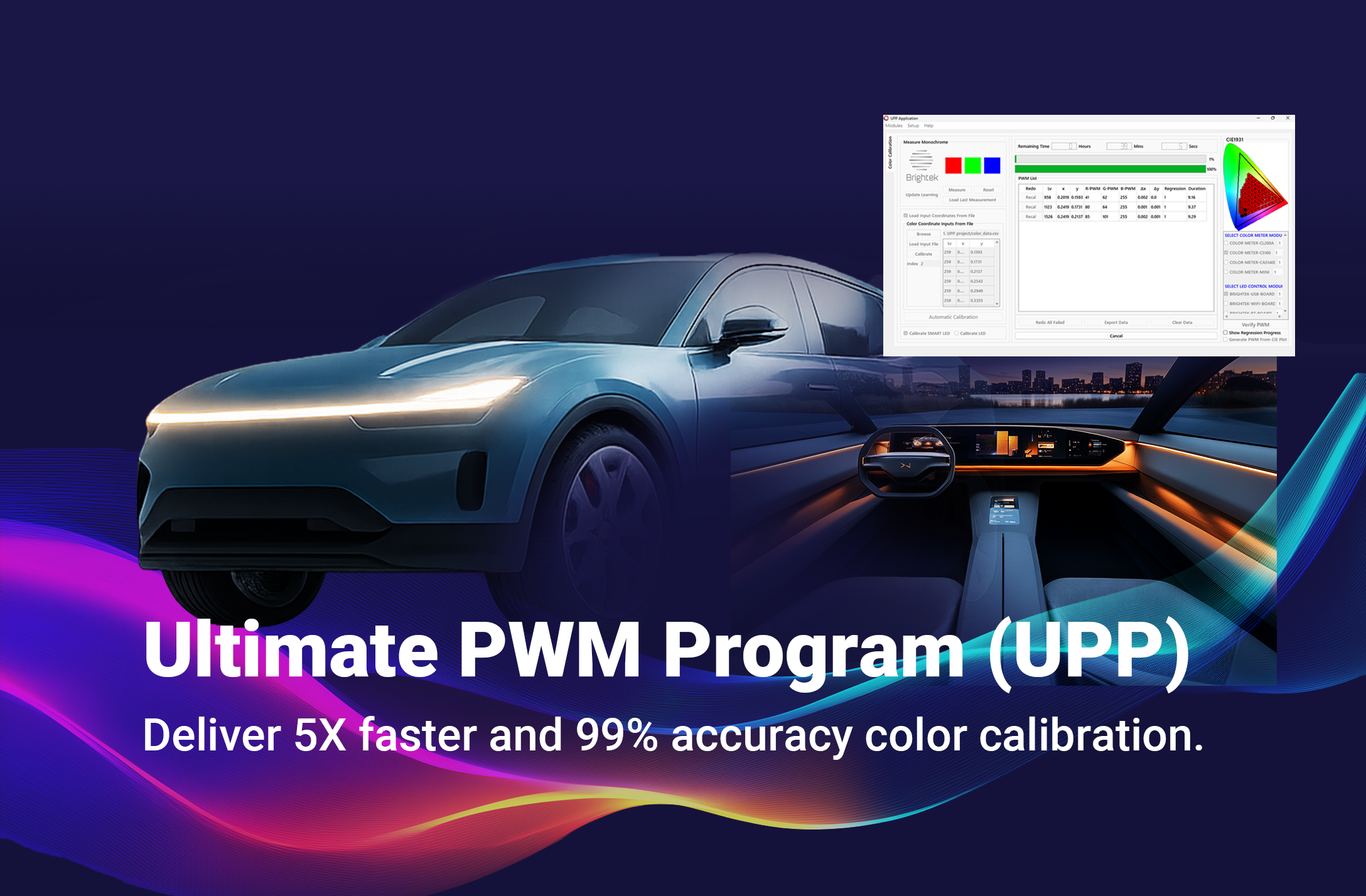
Precision color calibration software: UPP
The precision color calibration software, Ultimate PWM Program (UPP) developed by Brightek, is designed to process RGB color calibration fast and accurate, up to 5X faster than tra...
Read More -
Upcoming Event
October, 29th-30th, 2025
DVN Shanghai Lighting Workshop
Shanghai, China.
Event Details
-
Sustainability
- Sustainability Sustainability Reporting
-

Shaping a Greener Tomorrow
-

-
About Us
- About Us Our ManagementBrightek's JourneyContact UsCareer
-

We are Brightek.
An experienced solutions provider for Optoelectronic Semiconductor Components & Sensing Products. The Headquarters and R&D center are located in Taiwan, with sales offices and service market spreading worldwide. -
Our Management
Brightek’s management team brings over 20 years of experience in the optoelectronics market and technology, driving innovation, quality, and customer success. -

-

-

Explore Our Job Opportunities
We are a big family,
Check out your fit!
open to various possibilities.
-
Investor Relations
- Investor Relations Financial ReportsInvestment OpportunitiesPerformance HistoryManagement Team
-

We Are The Future You Can Trust
Listed in Taiwan Stock Market
Stock Number: 5244 -

-

-

-












 Brightek